DIY Lawn Care Tips: Maintaining a Healthy Lawn Year-Round
Understanding Your Lawn's Needs
Maintaining a healthy lawn year-round requires understanding the unique needs of your grass type and local climate. Different grass types thrive in different conditions, so it's crucial to identify whether you have a cool-season or warm-season variety. This knowledge will guide you in making informed decisions on watering, fertilizing, and mowing.

Watering Wisely
Proper watering is essential for a lush lawn. It's best to water deeply and infrequently, allowing the roots to grow strong and deep. Aim to water early in the morning to reduce evaporation and fungal diseases. Depending on your climate, your lawn may need about 1 to 1.5 inches of water per week.
Consider investing in a rain gauge to monitor rainfall and adjust your watering schedule accordingly. This approach not only conserves water but also promotes healthier grass growth.
Mowing Techniques
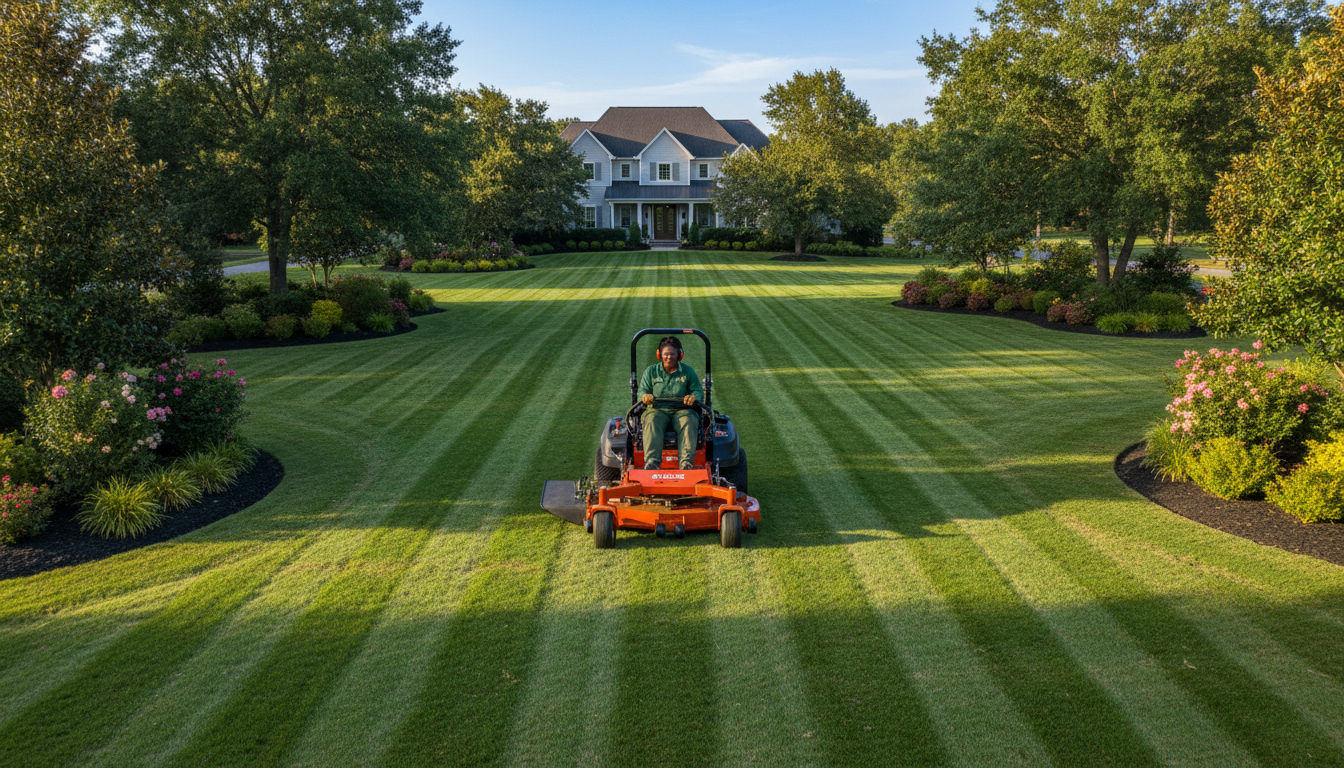
Regular mowing is crucial, but cutting your grass too short can cause stress and invite weeds. A good rule of thumb is to mow no more than one-third of the grass blade at a time. Adjust your mower's height based on the season and grass type to maintain optimal health.
Fertilizing for Growth
Fertilizing provides essential nutrients that keep your lawn vibrant. Choose a fertilizer that suits your grass type and apply it during the growing season. Generally, cool-season grasses benefit from spring and fall fertilization, while warm-season grasses thrive with summer applications.
Organic fertilizers are an excellent choice for environmentally conscious homeowners, offering a slow-release of nutrients that support sustainable growth.
Weed and Pest Control
Weeds and pests can quickly overtake a healthy lawn if not managed effectively. Regularly inspect your lawn for signs of invasion and use appropriate treatments. Natural options, such as vinegar or corn gluten meal, can help control weeds without harsh chemicals.
For pests, consider beneficial insects like ladybugs or nematodes, which naturally keep harmful insect populations in check.

Seasonal Lawn Care
Each season presents unique challenges and opportunities for lawn care. In spring, focus on cleaning up debris and overseeding to fill in bare spots. Summer requires vigilant watering and mowing, while fall is the time for aeration and fertilization. Winter preparation may include reducing foot traffic and keeping your lawn clear of snow and ice.
By tailoring your lawn care practices to the season, you can foster a resilient and beautiful lawn that thrives throughout the year.