Success Stories: Transforming Yards in Castle Hayne with Native Plants
Embracing Native Plants in Castle Hayne
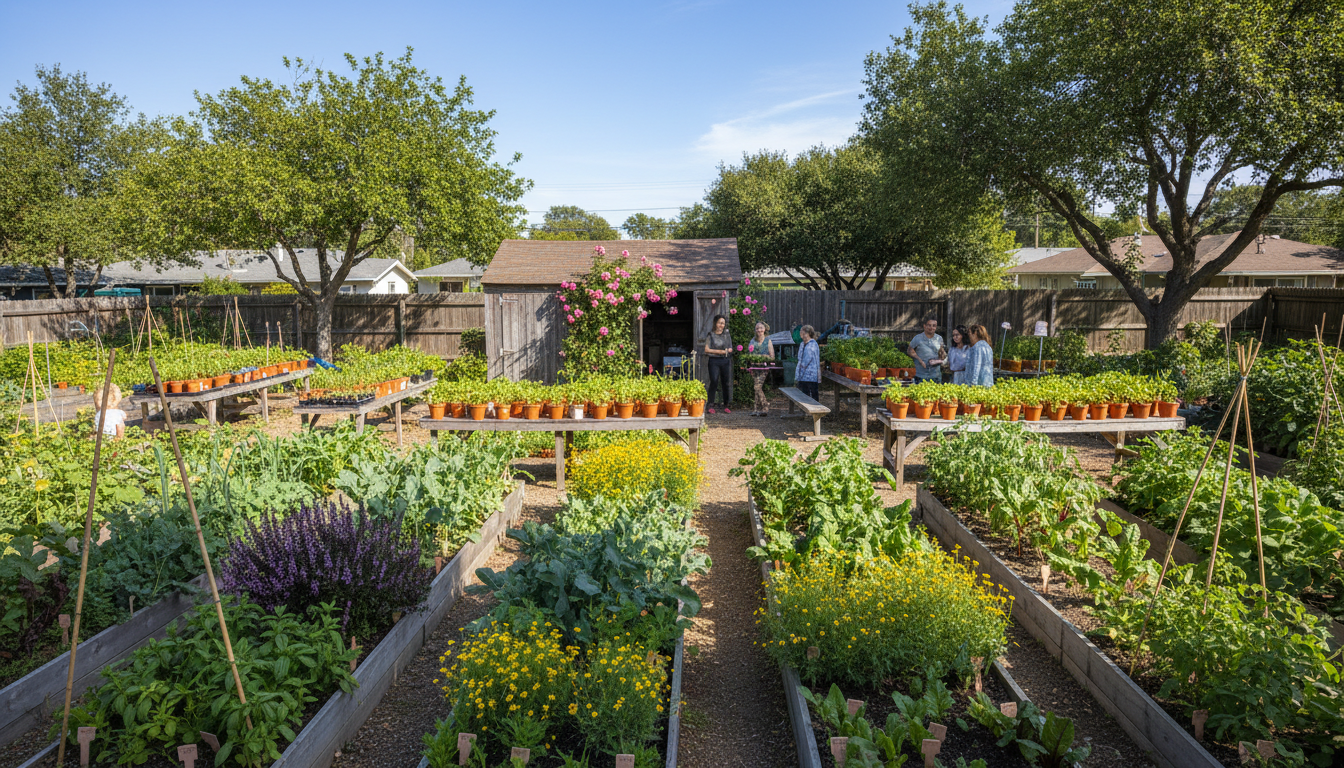
Castle Hayne has become a shining example of how integrating native plants can transform ordinary yards into vibrant, sustainable ecosystems. By choosing plants that naturally thrive in the local environment, homeowners have not only enhanced the beauty of their outdoor spaces but have also contributed to the area's ecological health.
Native plants offer numerous benefits, including reduced water usage, lower maintenance costs, and increased support for local wildlife. These plants are adapted to the regional climate and soil conditions, making them an ideal choice for eco-conscious gardeners.
The Benefits of Native Plants
One of the primary advantages of using native plants is their ability to conserve water. Unlike non-native species, which often require more irrigation, native plants are accustomed to the natural rainfall patterns of Castle Hayne. This results in significant water savings, which is crucial during dry spells.
Moreover, native plants foster biodiversity. They provide essential habitats and food sources for local insects, birds, and other wildlife, promoting a balanced and thriving ecosystem. This biodiversity boost is not only beneficial for the environment but also adds a lively, dynamic quality to home gardens.
Success Stories from Local Homeowners
Many residents in Castle Hayne have successfully transformed their yards using native plants. One homeowner, Sarah Thompson, replaced her traditional lawn with a mix of native grasses and wildflowers. The result? A colorful, low-maintenance landscape that attracts butterflies and bees.
Another resident, Mark Johnson, shared how his yard became a sanctuary for native birds after planting a variety of berry-producing shrubs. His small investment in native flora has turned his garden into a lively hub of activity.
Getting Started with Native Plants
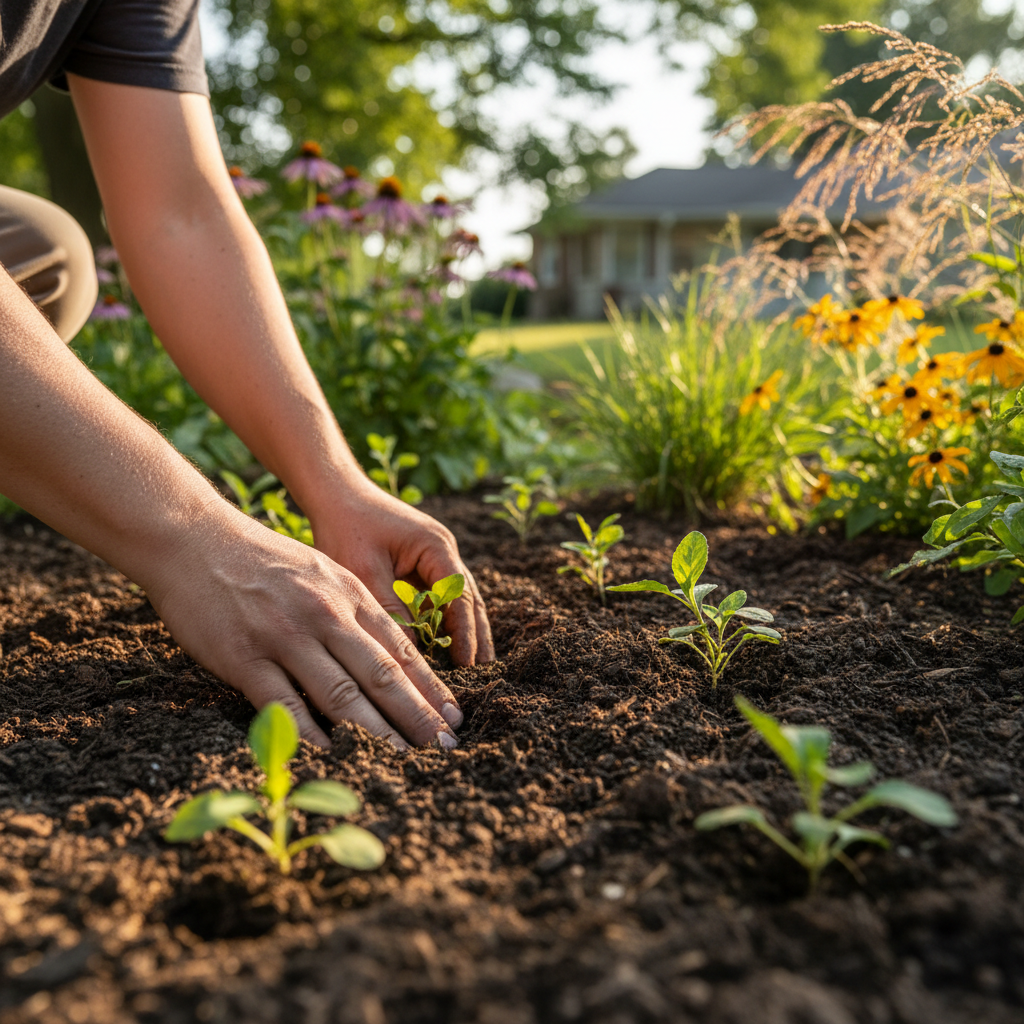
For those interested in making the switch, starting with native plants is easier than it seems. Here are a few steps to help you get started:
- Research local native plants: Understanding which plants are native to Castle Hayne is the first step. Local garden centers or extension offices can provide valuable resources.
- Create a design plan: Consider how these plants will fit into your existing landscape and what goals you hope to achieve, such as attracting certain wildlife.
- Start small: Begin with a few species to see how they adapt to your yard, then gradually expand your native plant collection.
Challenges and Solutions
While the benefits are numerous, transitioning to native plants can come with challenges. Some homeowners may find it difficult to locate native species or may be unsure about the best planting practices.
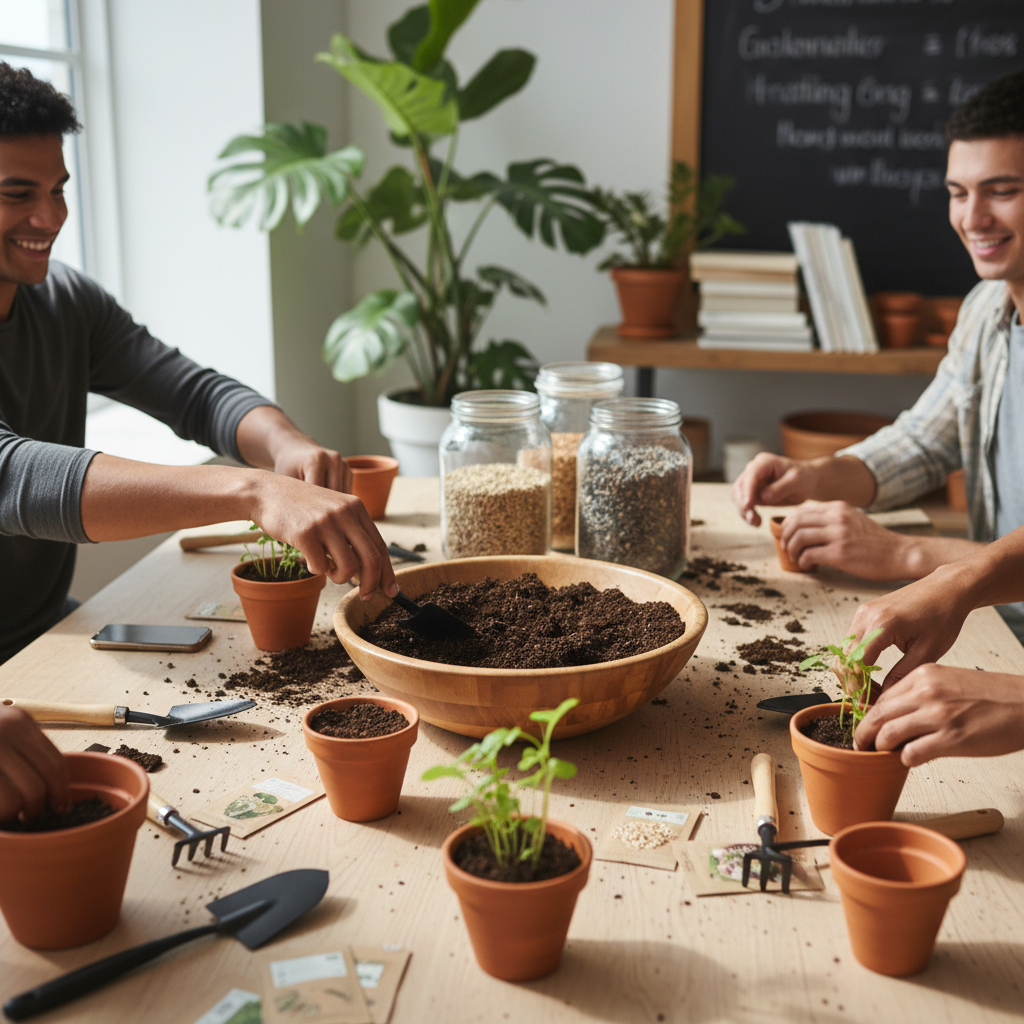
To overcome these hurdles, joining local gardening groups or attending workshops can provide support and knowledge. Connecting with others who have successfully made the transition can offer inspiration and practical advice.
The Future of Gardening in Castle Hayne
As more residents embrace native plants, Castle Hayne is setting a precedent for sustainable gardening practices. This movement not only beautifies the area but also contributes to the global effort of conserving natural resources and protecting biodiversity.
In conclusion, the success stories from Castle Hayne demonstrate the power of native plants to transform yards into thriving ecosystems. With continued community effort and education, the future looks bright for sustainable gardening in this region.